
Sustainable design
How to choose a vase (and what no one tells you)
The neck, the height, the opacity: three details that decide whether your bouquet will stand up. A practical guide to vases and bud vases.
By Lara — published on 2026-07-21
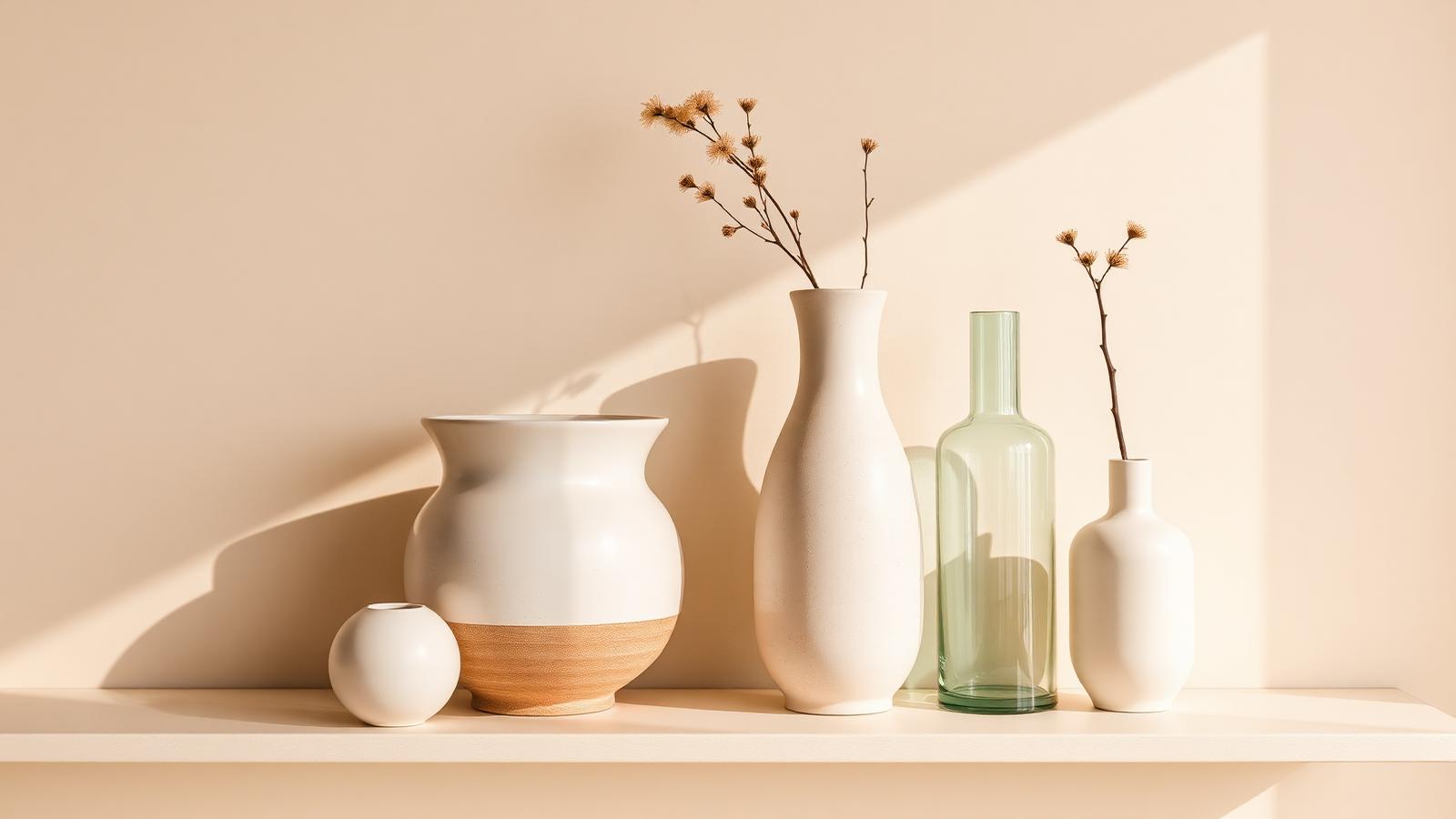
We almost always choose a vase for its shape, then discover at home that the stems collapse or the water turns green within two days. Three criteria save you the disappointment.
The neck comes first
A narrow neck holds the stems in place and is enough for three flowers: that's the whole idea of a bud vase, perfect for a single branch or a minimalist bunch.
A wide neck needs bulk: plan for a real, full bouquet, otherwise the stems flop to the sides. It's the first mistake I see.
Height, a simple rule
The vase should be roughly half to two-thirds the total height of the bouquet. Beyond that, the flowers disappear; below it, the whole thing tips.
On a dining table, stay under twenty-five centimetres so people can still see each other across it.
Opaque or clear
Clear glass shows the stems — gorgeous with clean-cut flowers, unforgiving with cloudy water. Opaque ceramic forgives everything and puts the shape of the vase itself in the spotlight.
For a gift, opaque is the safe bet: it looks just as good empty as full.
Empty, a vase should still be beautiful
That's my personal test: a good vase stands on its own on a shelf, with not a single flower in it. Eleven months of the year, that's how it will actually live.
Frequently asked questions
- What's the difference between a vase and a bud vase?
- A bud vase has a very narrow neck, designed for a single flower or stem. It showcases the flower rather than the volume of a bouquet.
- What size vase should I choose for a table?
- Stay under twenty-five centimetres tall so it doesn't get in the way of conversation, or dot several small bud vases along the table instead.
- How do I keep the water clear for longer?
- Change the water every two days, recut the stems at an angle, and remove any submerged leaves.
To go further