
Makers
Belgian and European makers: why I choose the nearby
Working with nearby workshops changes what ends up in the shop: fewer references, more stories, and objects that can be repaired.
By Lara — published on 2026-08-18
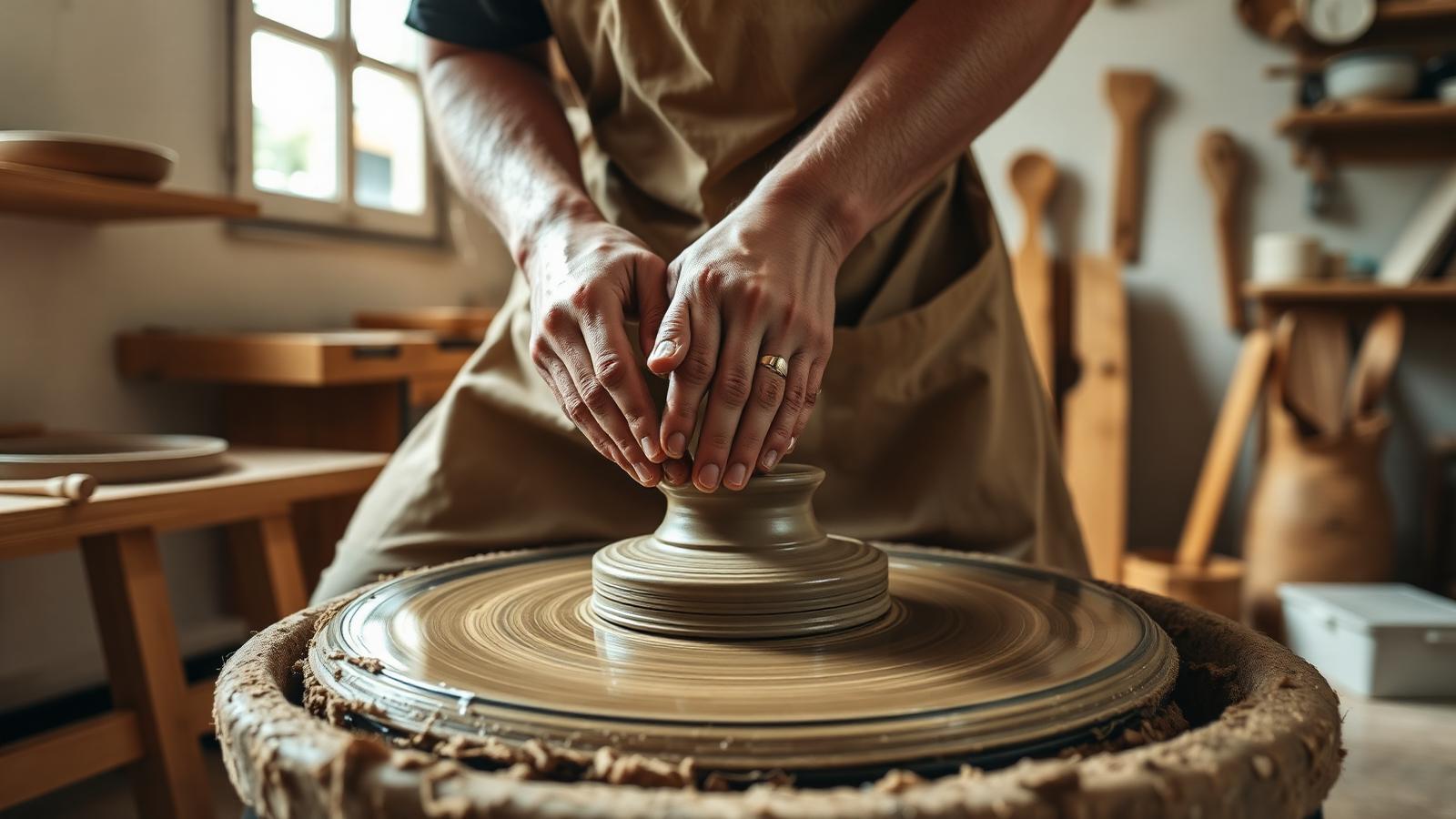
When I left law to open Lära, I mostly knew what I didn't want: to sell objects I couldn't say anything about. Working with Belgian and European makers was the simplest answer to that.
Being able to answer 'who made it'
A nearby workshop means a name, a conversation, sometimes a visit. When you ask me where a piece comes from, I can tell you about the material, the firing, the time it takes.
That transparency isn't a marketing line: it's what makes an object worth loving.
Small runs, real choice
Small workshops produce little. That forces me to be selective, to keep only what I truly love, and it means you won't see the same object in every shop window in the neighbourhood.
Short supply chains, in practice
Less transport, clearer working conditions, timelines I can actually explain, and the option to reorder a broken piece rather than replace everything.
A choice with its own colour
There's also an aesthetic reason. Belgian and European craft has a restraint, an attention to materials, a simplicity I love: it's this family of shapes that gives the shop its atmosphere.
Frequently asked questions
- Are all Lära's objects made in Europe?
- The selection favours Belgium and Europe. When a piece comes from further afield, it's chosen for its workshop and craftsmanship, and I'll tell you so in the shop.
- Can I order a specific piece from a maker?
- Depending on the workshop and its lead times, sometimes yes. It's best to ask in store or over the phone.
- Can handmade objects be repaired?
- Often yes, or at least replaced piece by piece, which is already a huge difference from mass-produced ranges.
To go further